You do not need a stadium, a full squad or professional equipment to begin playing cricket. A bat, a suitable ball, two targets and enough safe space are sufficient for a first game. The important part is preserving cricket’s central sequence: bowl a legal delivery, let the batter respond, complete runs when possible and change roles after a wicket or agreed limit.
Quick reference
| Minimum setup | Bat, ball, two wickets or markers and a safe playing area |
|---|---|
| Standard team | 11 players |
| Over | Six valid balls |
| Batting pair | Two batters on the field |
| First skill | Straight bat and accurate under-control bowling |
| Beginner format | Five to ten overs per side |
Step 1: Set up the playing area
Mark two wickets opposite each other with a pitch between them. Regulation measurements are useful for formal cricket, but beginners can shorten the pitch so bowlers can reach the batter safely and accurately. Create a visible boundary using cones, a rope or agreed landmarks, and clear the area of traffic, glass and hard obstacles.
Choose a ball appropriate for the group. A tennis or soft training ball is far safer for new players than a hard leather cricket ball. Decide how many overs each side will receive, how many wickets end an innings and whether batters retire after reaching a set score.
Step 2: Learn batting and running
Stand side-on with a balanced base, eyes level and hands relaxed on the handle. For a basic straight drive, step toward the line of the ball and present the full face of the bat. Early practice should reward control and contact rather than power. A defensive stroke is valuable because protecting the wicket keeps the innings alive.
To run, both batters travel to the opposite crease and ground the bat or body behind it. One completed exchange equals one run. Call loudly—commonly “yes,” “no” or “wait”—and watch the ball before committing. Poor communication causes many avoidable run-outs.
Step 3: Bowl a fair delivery
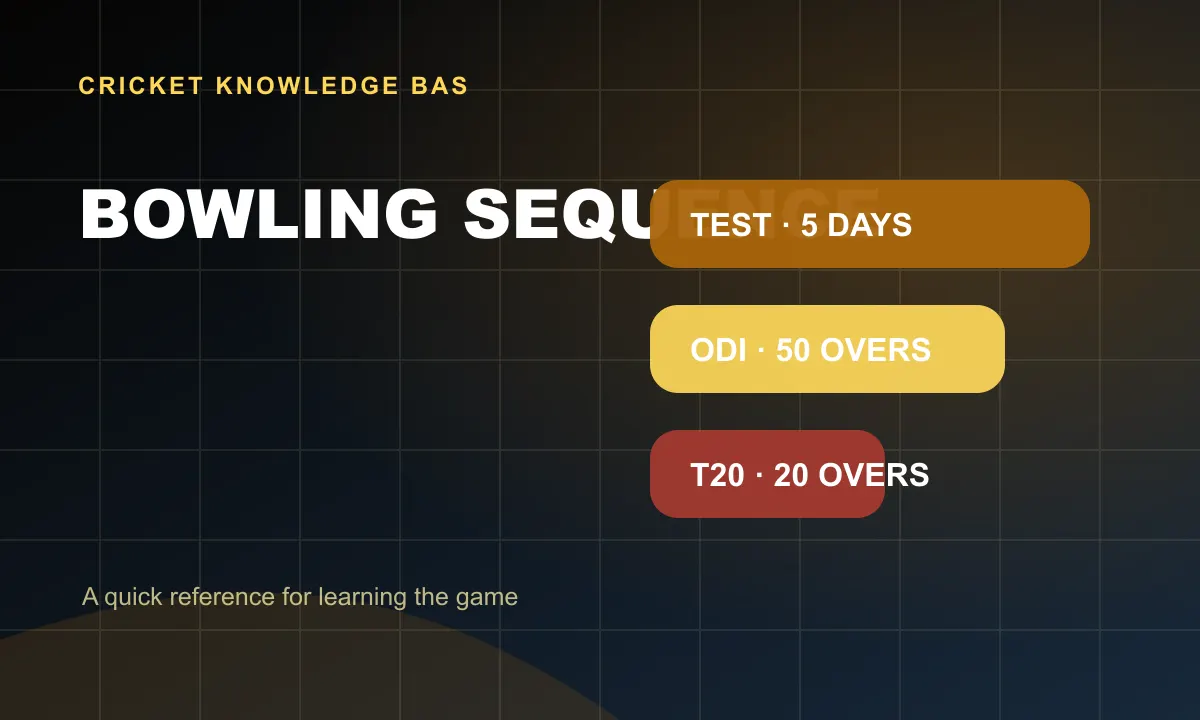
A legal cricket delivery uses a straight-arm bowling action rather than a baseball-style throw. Begin with a short approach, point the front shoulder toward the target, rotate smoothly and release above the head. Accuracy matters more than speed: aim for a corridor near the top of the batter’s off stump and a length that makes the batter play.
The bowler must deliver from behind the popping crease with a legal foot position. A front-foot overstep is a no-ball, adds an extra to the batting side and does not count as one of the six valid balls in the over. Beginners can appoint one player as umpire to call balls and track the over.
Step 4: Field, dismiss and rotate
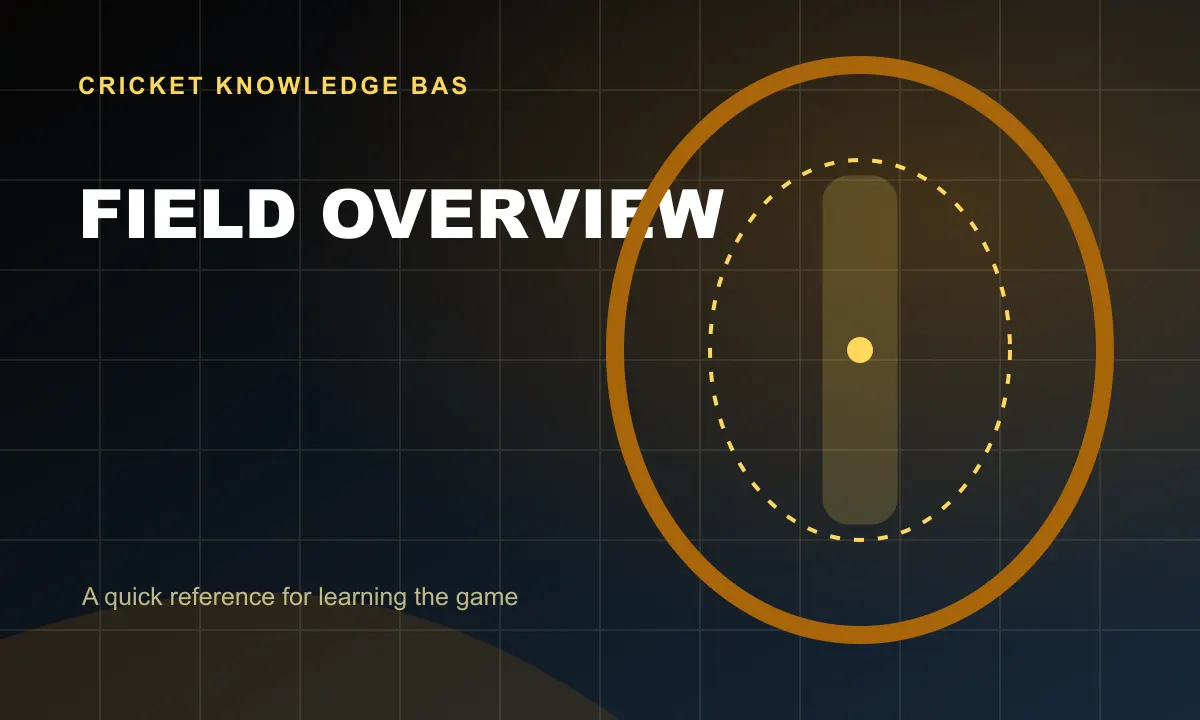
Fielders stop the ball, return it toward a wicket and catch it before it touches the ground. Place several fielders in front of the batter, several behind or square, and one wicketkeeper behind the striker’s wicket. Keep everyone alert and avoid crowding inexperienced batters at unsafe distances.
Start with four common dismissals: bowled, caught, run out and stumped. When a wicket falls, a new batter enters unless your simplified rules use immediate role rotation. At the end of the agreed overs or wickets, total the runs, swap batting and fielding sides, and set the chase target at one more than the first innings score.
How to learn this topic faster
Watch one short passage of play and narrate only the visible sequence: delivery, contact, run or dot ball, and any wicket. This prevents unfamiliar commentary from hiding the simple contest. On a second viewing, add field position and intent. Layering observations in this order builds a reliable mental model without requiring a law-book memory test.
For How to Play Cricket Step by Step, connect step 1: set up the playing area with step 2: learn batting and running. The first idea gives you the structure; the second shows how players or institutions act inside it. Then return to the quick-reference facts and explain each one in your own words. If a fact cannot yet be explained, follow the linked guide rather than memorizing the label.
A useful learning routine is to predict the next event before it happens. In a rules article, predict the umpire’s sequence. In a format article, predict how the batting side will spend its remaining balls. In history, predict which institution or technology made the next stage possible. Prediction turns passive reading into a test of understanding.
Key checkpoints
- Minimum setup: Bat, ball, two wickets or markers and a safe playing area. Use this as a checkpoint when reading a scorecard, watching a match or explaining the topic to someone else.
- Standard team: 11 players. Use this as a checkpoint when reading a scorecard, watching a match or explaining the topic to someone else.
- Over: Six valid balls. Use this as a checkpoint when reading a scorecard, watching a match or explaining the topic to someone else.
- Batting pair: Two batters on the field. Use this as a checkpoint when reading a scorecard, watching a match or explaining the topic to someone else.
- First skill: Straight bat and accurate under-control bowling. Use this as a checkpoint when reading a scorecard, watching a match or explaining the topic to someone else.
- Beginner format: Five to ten overs per side. Use this as a checkpoint when reading a scorecard, watching a match or explaining the topic to someone else.
Common misconceptions
A common beginner mistake is to measure every action by excitement. A leave, defensive stroke or quiet over can be valuable when it protects a wicket or creates pressure. Another mistake is reading over notation as a decimal: 12.4 overs means 12 complete overs and four valid balls, not twelve and four-tenths.
When two sources appear to disagree about how to play cricket, check their date, match format and definition. One may describe an older playing condition, a domestic variation or a different category of competition. Prefer the current MCC Laws and the relevant official playing conditions for formal decisions, and label uncertainty clearly in historical questions.
A practical example
Frequently asked questions
Can two people practise cricket?
Yes. One can bowl or throw down while the other bats; rotate every 12 balls and use a wall or net to control the ball.
Can I play without cricket stumps?
Yes. Cones, taped wall targets or stacked markers work for informal practice.
What ball should beginners use?
A tennis ball, wind ball or purpose-made soft training ball reduces injury risk while basic technique develops.
Which skill should I learn first?
Reliable catching, straight batting and accurate medium-paced bowling provide the best foundation.
Do beginners need pads and a helmet?
Use proper protective equipment whenever a hard ball is involved. Soft-ball formats can use lighter equipment under responsible supervision.
Conclusion
The fastest route into cricket is to play a short, safe version and add detail gradually. Keep the first session focused on legal deliveries, straight-bat contact, clear running calls and simple dismissals. Once those habits feel natural, longer matches and more advanced tactics become much easier.
Primary references
Rules and format details should always be checked against the current match or competition playing conditions.