Cricket is popular because it works at several scales. It can be a five-day national drama, a three-hour entertainment event, a neighborhood tape-ball game or a quiet technical obsession. Historical networks introduced the sport to many regions, but local communities made it their own.
Quick reference
| International formats | Test, ODI and T20I |
|---|---|
| Participation range | Formal clubs to improvised street games |
| Strong regions | South Asia, UK, Australia, Caribbean, southern Africa and more |
| Narrative strength | Individual duels inside a team match |
| Modern driver | T20 leagues and digital media |
| Cultural driver | National and regional identity |
History created a wide foundation
British travel and empire carried cricket into many societies. Schools, clubs, military teams and local associations established structures that survived political change. This history explains distribution but not continuing enthusiasm.
Communities localized the game. Playing styles, commentary languages, heroes and rivalries acquired distinct meanings. Cricket became a way to express local and national identity, including through victories over former colonial powers.
The game supports different experiences
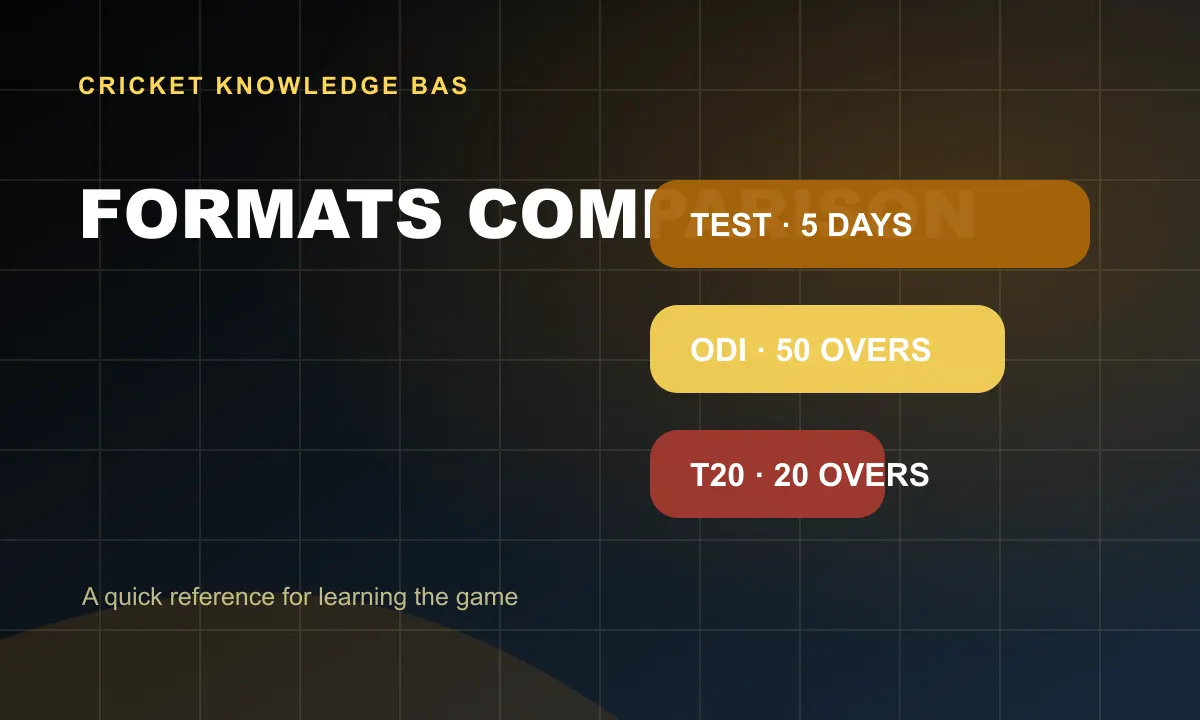
Tests provide long narratives of endurance and changing conditions. ODIs create a full-day arc, while T20 offers a compact event with immediate stakes. Fans can prefer one format without leaving the wider cricket culture.
Within a match, a one-on-one bowler-versus-batter duel contributes to a team outcome. This allows spectators to follow technique, statistics, personality and strategy at the same time.
Cricket can be adapted locally
Formal cricket needs a prepared pitch and equipment, but informal versions can use a tennis ball, improvised bat and wall target. Tape-ball, beach, backyard, street and indoor cricket lower barriers and produce their own techniques.
Small-sided formats let friends play in limited time. This flexibility helps cricket travel between professional stadiums and everyday spaces.
Media, leagues and shared moments
Radio and television once connected large audiences to national matches; streaming, mobile clips and social media now carry highlights instantly. T20 leagues combine local loyalties with international players and regular prime-time events.
Cricket also generates memorable pauses: a final over, a batter approaching a century, or a bowler searching for the last wicket. Shared anticipation strengthens community around the result.
How to learn this topic faster
Large popularity questions rarely have one cause. Separate historical distribution, everyday participation, media reach, elite success and local identity. These factors reinforce one another, but their strength varies by place and generation. A balanced explanation avoids reducing living cricket cultures to a single tournament or television figure.
For Why Is Cricket So Popular?, connect history created a wide foundation with the game supports different experiences. The first idea gives you the structure; the second shows how players or institutions act inside it. Then return to the quick-reference facts and explain each one in your own words. If a fact cannot yet be explained, follow the linked guide rather than memorizing the label.
A useful learning routine is to predict the next event before it happens. In a rules article, predict the umpire’s sequence. In a format article, predict how the batting side will spend its remaining balls. In history, predict which institution or technology made the next stage possible. Prediction turns passive reading into a test of understanding.
Key checkpoints
- International formats: Test, ODI and T20I. Use this as a checkpoint when reading a scorecard, watching a match or explaining the topic to someone else.
- Participation range: Formal clubs to improvised street games. Use this as a checkpoint when reading a scorecard, watching a match or explaining the topic to someone else.
- Strong regions: South Asia, UK, Australia, Caribbean, southern Africa and more. Use this as a checkpoint when reading a scorecard, watching a match or explaining the topic to someone else.
- Narrative strength: Individual duels inside a team match. Use this as a checkpoint when reading a scorecard, watching a match or explaining the topic to someone else.
- Modern driver: T20 leagues and digital media. Use this as a checkpoint when reading a scorecard, watching a match or explaining the topic to someone else.
- Cultural driver: National and regional identity. Use this as a checkpoint when reading a scorecard, watching a match or explaining the topic to someone else.
Common misconceptions
Audience size alone does not explain affection for a sport. Popularity includes how often people play, how families and communities share matches, how heroes are remembered and how easily the game adapts to local space. Treating one country or format as the whole story misses that layered ecosystem.
When two sources appear to disagree about why cricket is popular, check their date, match format and definition. One may describe an older playing condition, a domestic variation or a different category of competition. Prefer the current MCC Laws and the relevant official playing conditions for formal decisions, and label uncertainty clearly in historical questions.
A practical example
Frequently asked questions
Where is cricket most popular?
It has especially large audiences in South Asia and strong traditions in the UK, Australia, the Caribbean, southern Africa and other regions.
Why is T20 important to cricket’s growth?
Its shorter duration fits broadcast schedules and makes a first match easier to watch.
Is cricket expensive to play?
Formal hard-ball cricket can be, but soft-ball and improvised versions require relatively little equipment.
Why do fans like Test cricket?
It offers changing conditions, long strategy and the possibility of dramatic survival or late results.
Is cricket growing globally?
Participation and audience patterns vary, but expanded international membership, digital access and short formats have broadened reach.
Conclusion
Cricket’s popularity is not caused by one format or country. It comes from historical depth, local ownership, flexible ways to play and a match structure rich in personal and team stories. The game remains recognizable whether played before a huge crowd or between two improvised wickets.
Primary references
Rules and format details should always be checked against the current match or competition playing conditions.